

 (3 votes, average: 5.00 out of 5)
 Loading...
As the use of wakefulness-promoting medications and GLP-1 receptor agonists continues to grow, questions about combining modafinil with semaglutide-based treatments have become increasingly common. But can these medications be taken together safely, or is there a risk of clinically significant interactions?
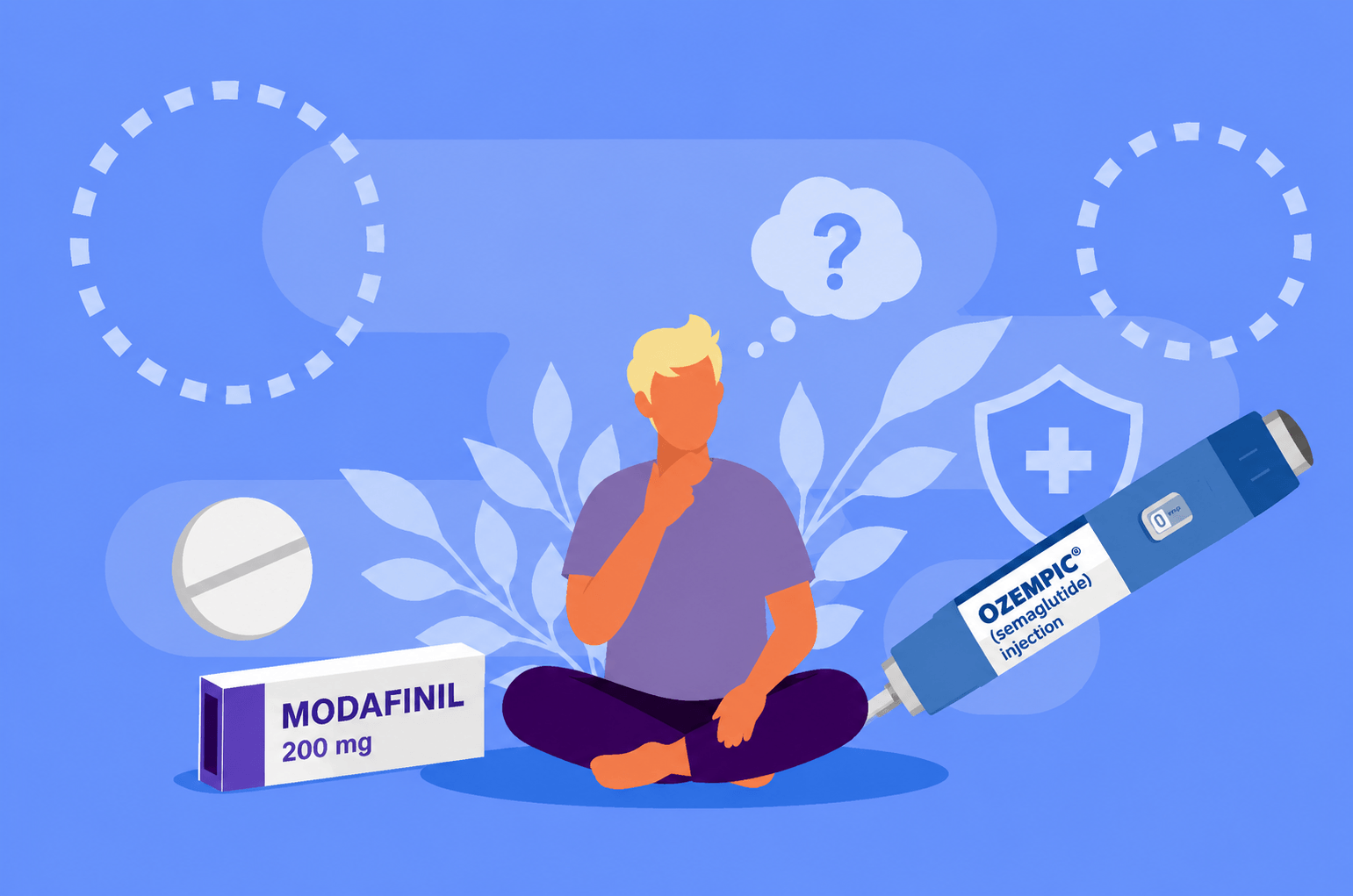
This guide explains how modafinil and Ozempic work, what to expect if using them together, whether one may influence the other’s effectiveness, and the potential risks, side effects, and practical considerations associated with their combined use.
What Is Modafinil?
Modafinil (brand name Provigil) is a eugeroic (wakefulness-promoting medication) approved by the FDA in 1998 to treat narcolepsy, shift-work sleep disorder (SWSD), and excessive daytime sleepiness associated with obstructive sleep apnea [1]. Physicians may also prescribe modafinil off-label for conditions such as ADHD, depression-related fatigue, multiple sclerosis-related fatigue, and idiopathic hypersomnia. In the USA, modafinil is classified as a Schedule IV controlled substance, reflecting a relatively low—but recognized—potential for misuse.
Unlike traditional amphetamine stimulants, it promotes wakefulness without causing a pronounced dopamine surge. Instead, modafinil works by inhibiting dopamine reuptake through the dopamine transporter (DAT), increasing histaminergic activity in the hypothalamus, enhancing orexin (hypocretin) signaling, and modestly influencing norepinephrine and serotonin pathways.
Together, these neurotransmitter systems contribute to wakefulness, attention, arousal, and cognitive function [2][3]. Some people may experience reduced appetite or modest weight loss while taking modafinil, although modafinil is not approved as a weight-loss medication.
Although modafinil can improve alertness and certain aspects of cognitive performance, individual responses vary depending on factors such as sleep quality, underlying medical conditions, dosage, and overall health. The typical adult dose is 100–200 mg once daily, usually taken in the morning.
What Is Ozempic?
Ozempic is a prescription medication that contains semaglutide, a glucagon-like peptide-1 (GLP-1) receptor agonist. It is administered as a once-weekly injection for adults with type 2 diabetes. Oral semaglutide is marketed under the brand name Rybelsus and is available in 3 mg, 7 mg, and 14 mg tablets. Semaglutide mimics the effects of the naturally occurring GLP-1 hormone released after meals, helping regulate blood sugar, appetite, and digestion.
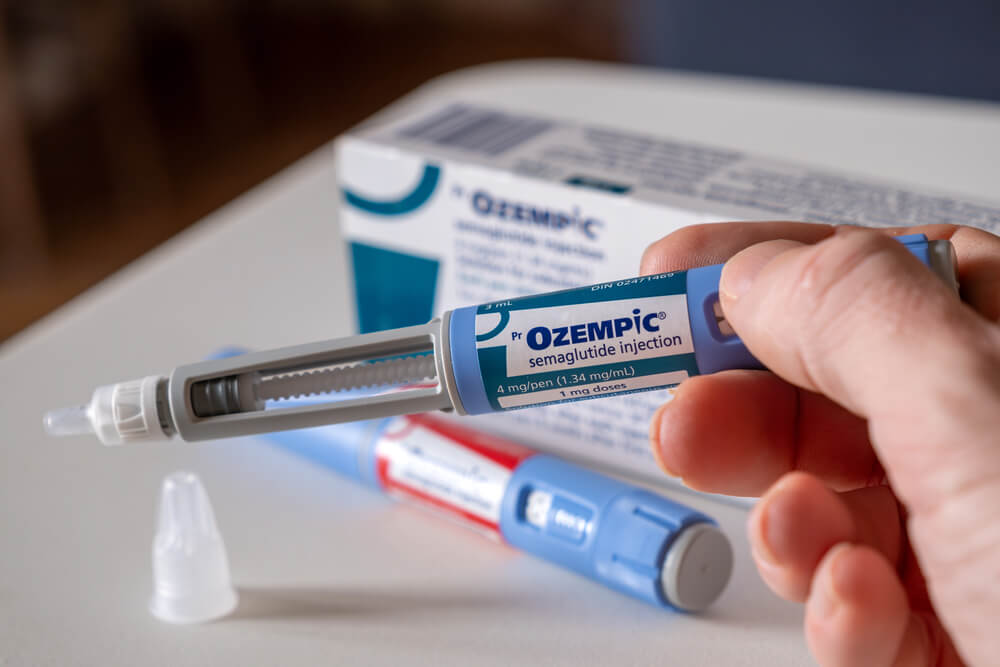
It stimulates glucose-dependent insulin secretion, suppresses glucagon release to reduce liver glucose production, slows gastric emptying to minimize post-meal blood sugar spikes, and acts on appetite centers in the brain to reduce hunger, increase satiety, decrease food cravings, and promote lower calorie intake. These combined effects improve glycemic control while carrying a relatively low risk of hypoglycemia when semaglutide is used alone.
Ozempic received FDA approval in 2017 for treating type 2 diabetes and has demonstrated cardiovascular benefits in eligible patients with confirmed cardiovascular disease. Higher-dose semaglutide is marketed as Wegovy for chronic weight management, while Rybelsus was approved in 2019 as the first oral GLP-1 receptor agonist [4].
Unlike injectable Ozempic, Rybelsus contains the absorption enhancer SNAC (sodium N-[8-(2-hydroxybenzoyl)amino]caprylate), allowing semaglutide to survive stomach acid and be absorbed effectively. It should be taken on an empty stomach with no more than 4 ounces (120 mL) of water, followed by a 30-minute wait before eating, drinking, or taking other oral medications. Semaglutide has a half-life of approximately one week (168 hours), enabling sustained therapeutic effects with once-weekly Ozempic dosing.
Can You Take Modafinil and Ozempic Together?
No clinically significant direct interaction between modafinil and semaglutide has been established. However, whether they can be used together safely depends on the individual’s health, other medications, and treatment plan.
Modafinil and semaglutide act through different pharmacological pathways. Semaglutide has a low potential to inhibit or induce CYP enzymes, so modafinil’s CYP3A4-inducing effects are not expected to substantially alter semaglutide exposure. However, Ozempic delays gastric emptying and therefore has the potential to affect the absorption of concomitantly administered oral medications. The clinical significance of this effect specifically for modafinil has not been established.
There is currently no established evidence that combining modafinil with semaglutide provides additional benefits for weight loss, physical activity, or the management of semaglutide-related fatigue.
Is This Combination Safe?
The combination may be appropriate for some patients, but safe use depends on overall health, existing medical conditions, other medications, nutritional status, and medical supervision [5].
One potential safety concern is the overlapping physiological effects of these medications. Since both medications can reduce appetite, some individuals may consume too few calories, increasing the risk of dehydration, nutritional deficiencies, unintended muscle loss, and excessive weight loss if adequate nutrition is not maintained. In addition, semaglutide may modestly increase resting heart rate, while modafinil can elevate heart rate and blood pressure. People with hypertension, arrhythmias, heart disease, or other cardiovascular conditions may therefore require closer monitoring when these medications are used together.
Some patients may be prescribed both medications for separate medical conditions—for example, semaglutide for type 2 diabetes and modafinil for narcolepsy or shift work disorder. In these cases, each medication should be used for its approved or clinically appropriate indication rather than to enhance the effects of the other.
How to Take Modafinil and Ozempic Together
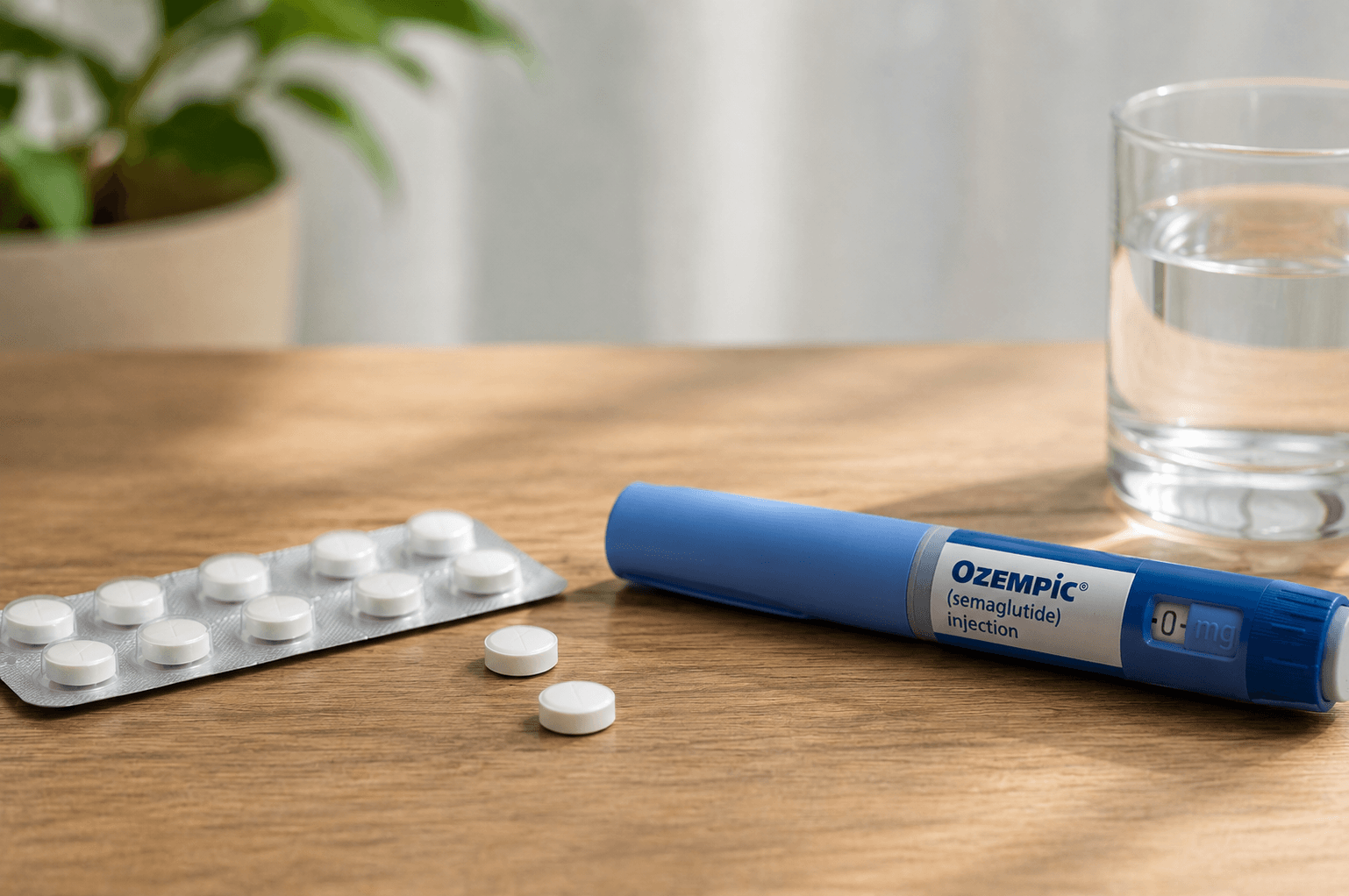
If both medications have been prescribed, follow the dosing schedule provided by your healthcare professional. Modafinil is typically taken once daily in the morning, while Ozempic is injected once weekly on the same day each week. There is no established requirement to separate modafinil and Ozempic by a specific number of hours.
Because Ozempic delays gastric emptying and may affect the absorption of oral medications, patients should discuss persistent changes in modafinil’s effects with their healthcare provider rather than changing the dose or timing on their own.
Oral semaglutide (Rybelsus) requires different administration. It is taken on an empty stomach with a small amount of water, followed by a waiting period before food, beverages, or other oral medications. Patients taking Rybelsus with modafinil should follow the prescribed administration instructions carefully.
Who Should Be Especially Cautious?
Certain medical conditions may require additional caution when modafinil and semaglutide are used together. Ozempic is contraindicated in people with a personal or family history of medullary thyroid carcinoma (MTC) or Multiple Endocrine Neoplasia syndrome type 2 (MEN 2) and may require additional caution in those with gastroparesis, pancreatitis, gallbladder disease, diabetic retinopathy, kidney impairment, or severe dehydration. Modafinil also requires caution in people with liver disease or a history of depression, anxiety, mania, or psychosis.
The safety profile also depends on other prescription medications, over-the-counter products, and supplements being used. People who develop persistent nausea or vomiting, marked appetite suppression, dehydration, worsening cardiovascular symptoms, significant mood or behavioral changes, or other concerning symptoms should contact a healthcare professional. Individual risk should be assessed rather than assuming that the absence of a known direct drug interaction makes the combination appropriate for everyone.
Other Drug Interactions to Consider
The absence of a known clinically significant direct interaction between modafinil and semaglutide does not mean that a person’s full medication regimen is free of interaction risks. Modafinil can affect drug-metabolizing enzymes and may alter the exposure of some concomitant medications, while semaglutide can affect blood glucose and delays gastric emptying.
For this reason, a healthcare professional or pharmacist should review the complete medication list, including prescription drugs, over-the-counter products, and supplements. This is particularly important when starting, stopping, or changing the dose of either medication.
Possible Side Effects
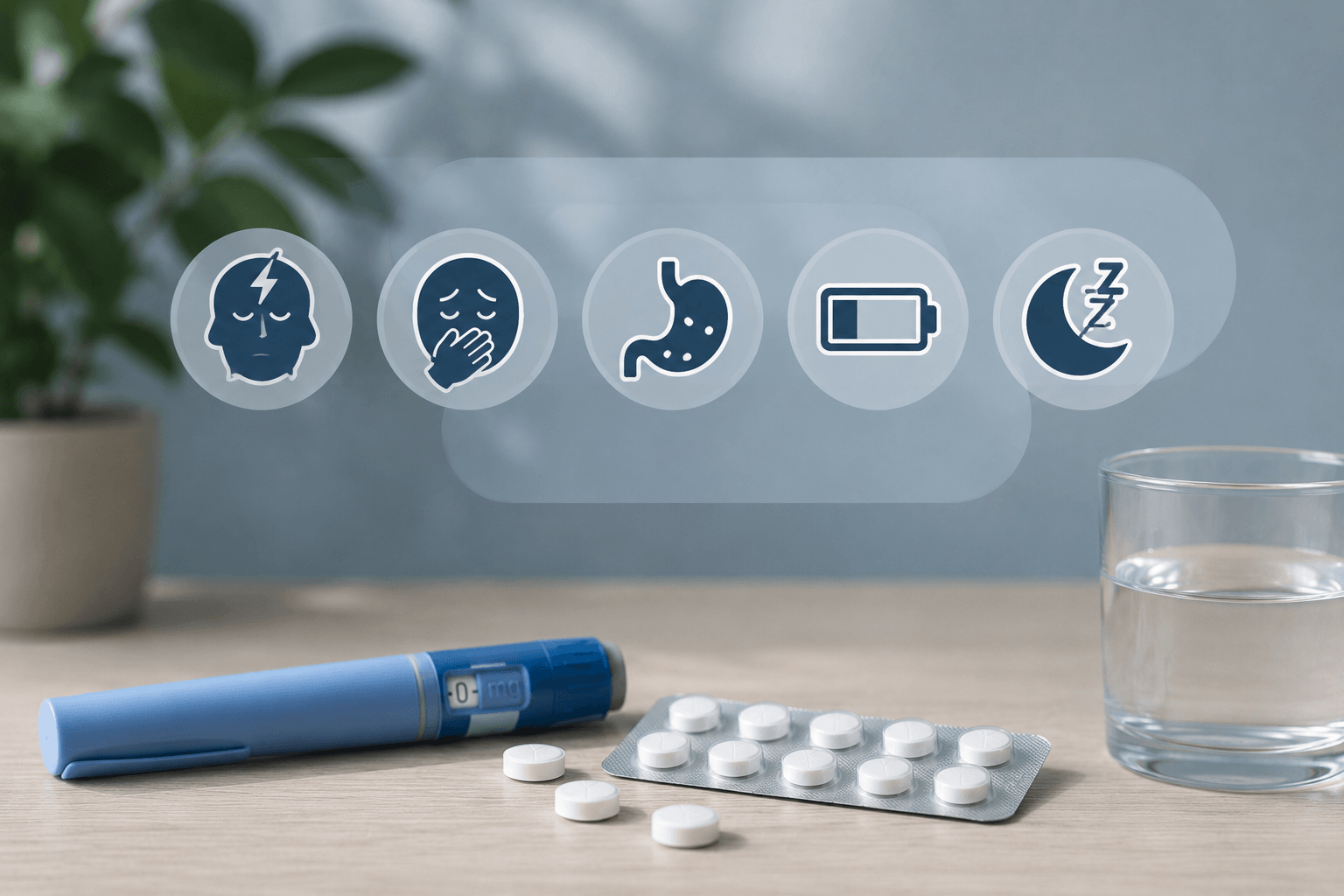
Modafinil is generally well tolerated, but side effects can range from mild to severe and vary between individuals. Common reactions include headache, nausea, dizziness, dry mouth, diarrhea, anxiety, and insomnia, while rare but serious effects include severe skin reactions, hallucinations, depression, tremors, and psychiatric symptoms [6]. Ozempic most commonly causes nausea, vomiting, abdominal pain, diarrhea, constipation, and reduced appetite. Serious risks include pancreatitis, gallbladder disease, kidney injury, diabetic retinopathy complications, and a boxed warning for thyroid C-cell tumors [7].
When taken together, overlapping effects such as nausea, appetite suppression, dehydration, and reduced calorie intake may become more pronounced, potentially increasing the risk of malnutrition, muscle loss, or hypoglycemia in susceptible individuals. Seek immediate medical attention for severe allergic reactions, persistent abdominal pain, vision changes, severe psychiatric symptoms, or other serious adverse effects.
Discontinuation and Elimination
Neither modafinil nor Ozempic causes the type of physical dependence associated with opioids, but stopping either medication may be followed by the return of symptoms or effects that the medication had been controlling. Modafinil has a half-life of approximately 12–15 hours and is usually eliminated within 2–3 days. After discontinuation, particularly following prolonged use, some individuals may experience temporary fatigue, excessive sleepiness, or reduced concentration. These effects generally resolve within days, although some physicians may recommend gradual dose reduction in long-term users.
Ozempic (semaglutide) has a much longer elimination half-life of about 7 days and typically requires 4–5 weeks to leave the body completely. As its effects wear off, appetite gradually returns, gastric emptying normalizes, and blood glucose levels may increase in people with type 2 diabetes. In the STEP 1 trial extension, participants regained approximately two-thirds of their prior weight loss within one year after semaglutide withdrawal [8].
If both medications are discontinued together, temporary fatigue from modafinil may overlap with increased appetite and metabolic changes as semaglutide is cleared. For this reason, any treatment changes should be made under medical supervision, with attention to adequate sleep, nutrition, hydration, and ongoing monitoring to manage returning symptoms and support a smoother transition.
FAQs
Does Ozempic affect how modafinil works?
Ozempic delays gastric emptying and therefore has the potential to affect the absorption of oral medications. However, the clinical significance of this effect specifically for modafinil has not been established. If modafinil seems to work differently after starting or changing semaglutide treatment, discuss the change with your healthcare provider.
Do modafinil and Ozempic need to be taken at different times?
There is no established requirement to separate modafinil and injectable Ozempic by a specific number of hours. Follow the schedule prescribed for each medication. Oral semaglutide (Rybelsus) has specific administration requirements, so patients taking it with other oral medications should follow their prescribing instructions carefully.
Can modafinil and Ozempic cause too much appetite suppression?
Both medications can reduce appetite in some people. When they are used together, reduced food intake may become more noticeable and can contribute to dehydration, inadequate nutrition, unintended weight loss, or loss of muscle mass. Persistent or substantial changes in appetite or weight should be discussed with a healthcare professional.
Can modafinil be used to treat fatigue caused by Ozempic?
There is no established evidence that modafinil should be used specifically to treat semaglutide-related fatigue. Modafinil should be used for an appropriate medical indication and under professional supervision rather than added solely to counteract fatigue attributed to Ozempic.
The Verdict: Combining Modafinil and Ozempic
Overall, modafinil and Ozempic may be used together in some patients, as no clinically significant direct drug interaction has been established. However, using both medications still requires careful medical supervision because of potential overlapping effects such as appetite suppression, gastrointestinal symptoms, dehydration, nutritional deficiencies, and cardiovascular effects in susceptible individuals. If you are prescribed both, take them exactly as directed, maintain adequate nutrition and hydration, prioritize quality sleep, monitor for persistent side effects, and attend regular follow-up appointments. Never start, stop, or adjust either medication without first consulting your healthcare provider.
References
- Highlights of Prescribing Information (pdf). Retrieved: August 5, 2026. Provigil.com.
- Practical Use and Risk of Modafinil, a Novel Waking Drug. By Dongsoo Kim. Published: February 22, 2012. Pmc.ncbi.nlm.nih.gov.
- The off-prescription use of modafinil: An online survey of perceived risks and benefits. By Rachel D. Teodorini, Nicola Rycroft, and James H. Smith-Spark. Published: February 5, 2020. Journals.plos.org.
- Prescribing Information | Ozempic® (semaglutide) injection 0.5 mg, 1 mg, or 2 mg. Retrieved: August 5, 2026. Ozempic.com.
- Can you take Modafinil with Ozempic? Retrieved: August 5, 2026. Drugs.com.
- Modafinil. Medically reviewed by Carmen Pope. Retrieved: August 5, 2026. Drugs.com.
- Ozempic. Medically reviewed by Melisa Puckey. Retrieved: August 5, 2026. Drugs.com.
- Weight regain and cardiometabolic effects after withdrawal of semaglutide: The STEP 1 trial extension. By John P. H. Wilding, Rachel L. Batterham, Melanie Davies, et al. Published: May 19, 2022. Pubmed.ncbi.nlm.nih.gov.
Author Details

Head Modafinil Researcher

MBBS, Doctor Of Medicine MD
Head Modafinil Researcher